Charming Children Duck Illustrations for Creative Projects
There's a particular kind of warmth that comes with a well-crafted children's illustration. It’s the sort of design asset that doesn’t just sit on a page; it tells a story, evokes a memory, and connects with an audience on a purely emotional level. The Children Duck Illustrations collection is a perfect example of this. It’s not just a set of cute drawings; it’s a versatile toolkit built for creators who understand that the right visual can elevate a project from good to unforgettable. At its core, this set captures the playful, gentle spirit of childhood, making it an invaluable resource for anyone working in children's publishing, branding, or product design.
A Closer Look at the Visual Charm
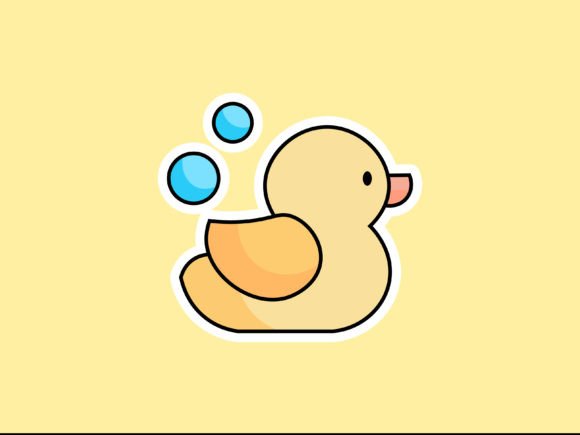
The personality of these illustrations is immediately apparent. They strike a delicate balance between being stylized and recognizable, a quality that’s crucial for effective children's book design. The ducks are rendered with soft, rounded forms and expressive, friendly faces. There’s a sense of movement and joy in their posture—some are waddling, others are splashing, and a few are curiously looking at the viewer. This isn't static clip art; it's a collection of characters waiting for a narrative.
The style leans towards a modern, hand-drawn aesthetic. You won’t find overly complex shading or photorealistic details here. Instead, the illustrations use clean lines and a cheerful, approachable color palette that feels both contemporary and timeless. This approach ensures they work beautifully in a notebook design for a child but also feel sophisticated enough for a boutique's tote bag or a stylish phone case. The overall appeal is one of innocence, happiness, and approachability—qualities that resonate across ages and demographics.
Where These Illustrations Truly Shine
The real value of a design asset like this lies in its flexibility. Let's break down the practical applications, moving beyond the obvious.
- Publishing & Editorial: This is the natural home for Children Duck Illustrations. Think children's book covers, interior spot illustrations, and chapter headings. They can also bring life to educational worksheets, activity books, and parenting magazine layouts. The consistent character style helps build a cohesive visual identity throughout a publication.
- Product Design & Merchandise: This is where the illustrations can generate direct revenue. The included file formats (AI, EPS, high-res JPG, PNG) are production-ready. Imagine them on a series of ceramic plates, printed on cotton T-shirts, or adorning a collection of pillows for a nursery. They are perfect for pattern design—creating repeating motifs for wrapping paper, fabric, or wallpaper. For small business owners, this is a chance to develop a signature product line without commissioning custom artwork.
- Digital & Brand Identity: Don't underestimate their power in the digital space. These illustrations can form the basis of a charming logo design for a daycare, a pediatrician's office, or a children's clothing brand. They are fantastic for social media graphics, adding personality to Instagram posts, Facebook headers, or Pinterest pins. A well-chosen illustration can make a brand feel more human and relatable, which is a key part of modern brand identity.
- Personal & Craft Projects: For hobbyists and crafters, the possibilities are endless. Use them to create custom birthday invitations, nursery wall art, scrapbook elements, or printed paper for journaling. The high-resolution files ensure your prints will look crisp and professional, whether you're using a home printer or a professional service.
Making Smart Design Choices with Your Assets
Having a great asset is one thing; using it effectively is another. Here’s how to think about integrating these illustrations into your work with a strategic eye.
First, consider visual hierarchy. A single, detailed duck illustration can serve as a powerful focal point on a book cover or product tag. A smaller, simpler duck can act as a subtle accent in the corner of a printed paper or as a bullet point in a list. Using the illustrations at varying scales creates rhythm and guides the viewer's eye.
Next, think about font pairing. The friendly, organic nature of the ducks pairs well with certain typefaces. A clean, rounded sans serif font will maintain a modern, airy feel. A gentle, readable serif font can add a touch of classic storybook charm. Avoid overly formal or aggressive typefaces; the goal is harmony, not conflict. The illustrations themselves can even inform your typography choice—do their curves suggest a script font or a handwritten font for headlines?
Finally, always test for readability and context. Place the illustration on a mockup of its final destination—a phone screen, a tote bag texture, a paper sample. Does it hold its detail? Does the color work against different backgrounds? The provided PNG file with a transparent background is particularly useful for layering over photographs or colored fields without a clunky white box. Remember, good design is about solving problems, and a versatile asset like this helps you solve visual communication challenges with confidence and creativity. By choosing the right moment to deploy a charming duck, you’re not just decorating; you’re building a connection.